
WHY ACTIVE ALIGNERS
Why Active Aligners (Differentiators)
What sets Active Aligners apart for dentists and patients, the clinical and practical differences that matter, from manufacturing precision and material to movement protocols, refinement rates and provider support.

THE CORE BELIEF
If our aligner can grip the tooth, we can move it
Our movement protocols and design are engineered to achieve complex movement without relying on TADs or elastics the way some systems do, we handle cases that many competitors assume need brackets or auxiliary devices. We decline fewer than 2% of cases submitted; the rare declines are almost always where the aligner physically can’t reach the tooth (a canine high in the gum, or teeth deep in the palate). For everything else, we plan it.
PRECISION IN EVERY TRAY
Manufacturing precision and material
- 4.0 bar positive-pressure thermoforming, not vacuum “suck-down” machines, for superior accuracy in teeth, gum-line definition and gingival texture
- 3D printers calibrated to our lab environment, temperature, humidity and atmospheric pressure all affect printing, unlike labs using off-the-shelf printers
- Medical-grade tri-layer material, a positive-pressure thermoformed tri-layer sheet with firm clear outer layers and a soft elastomeric core, selected for sustained, gentle force and patient comfort
RESEARCH-BACKED TRIM LINES
Grip more tooth, move with control
Most aligners are cut in a wavy, scalloped line that follows the gum. Active Aligners are trimmed straight and extended 2mm past the gum line. That extra coverage grips more tooth surface, which means better retention, better force expression and more moment on every planned movement.
In-vitro research (Cowley, Mah and O’Toole, JCO 2012 / UNLV) supports the principle that an extended straight trimline can improve aligner retention and force expression compared with a heavily scalloped trimline. Clinically, an extended trimline helps the aligner grip more tooth structure, supporting controlled movement when combined with sound planning, attachments, IPR, fit and patient compliance, with smooth contouring to support comfort.
MOVEMENT PROTOCOLS
Staged around what aligners predictably achieve
- Realistic movement planning, staged around what aligners can predictably achieve
- Maximum arch development before alternatives, where clinically appropriate
- IPR only where needed, and at the correct stage
- Strategic attachments where they help force expression
- Staged, sequential movement, align, level, then detail
- Early monitoring so fit or tracking issues are corrected before they compound
INDUSTRY-LEADING REFINEMENT RATES
25 to 35%, versus 50 to 70%
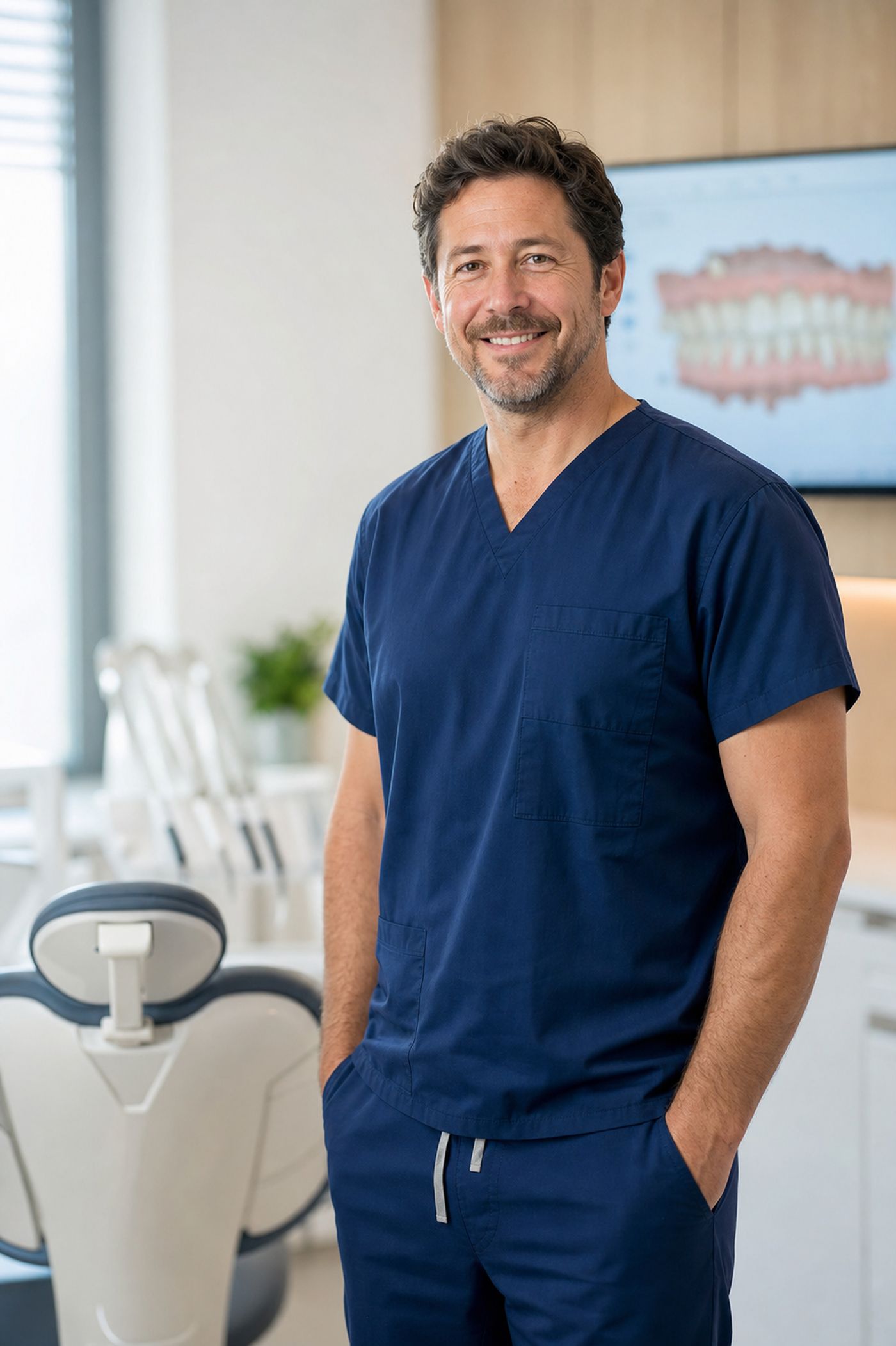
Our refinement rate is 25 to 35%, versus an industry average of 50 to 70%. Why it’s lower: research- and results-driven movement protocols that don’t overpromise, proper IPR and attachment protocols, built-in patient compliance education, mid-treatment check-ins to catch issues early, and provider support once you become a provider so problems are solved before they escalate. Refinements are handled separately, so patients only pay for them if they’re actually needed.
DENTIST REVIEW and CLINICAL RESPONSIBILITY
Planned by our team, approved by you
Cases are prepared by our treatment-planning team and returned to the provider for review and approval. The treating dentist remains responsible for diagnosis, case selection, consent, treatment approval, clinical delivery, monitoring and final clinical decisions, and can request modifications before approving manufacture. The differentiator is the supported workflow and movement protocol.
A CLINICAL TREATMENT CEILING
The right path, not a suboptimal outcome
When treatment would push much beyond ~10 months, that’s specialist territory, not a product limitation but a clinical philosophy. Aligner fatigue beyond that point produces diminishing compliance and results, so we’d rather guide the provider to the right treatment path than deliver a suboptimal outcome.
THE SUPPORT INFRASTRUCTURE
We’re with you once you become a provider
- WhatsApp support once you become a provider, responses in minutes, not days
- Free accredited training, no cost barrier to get started
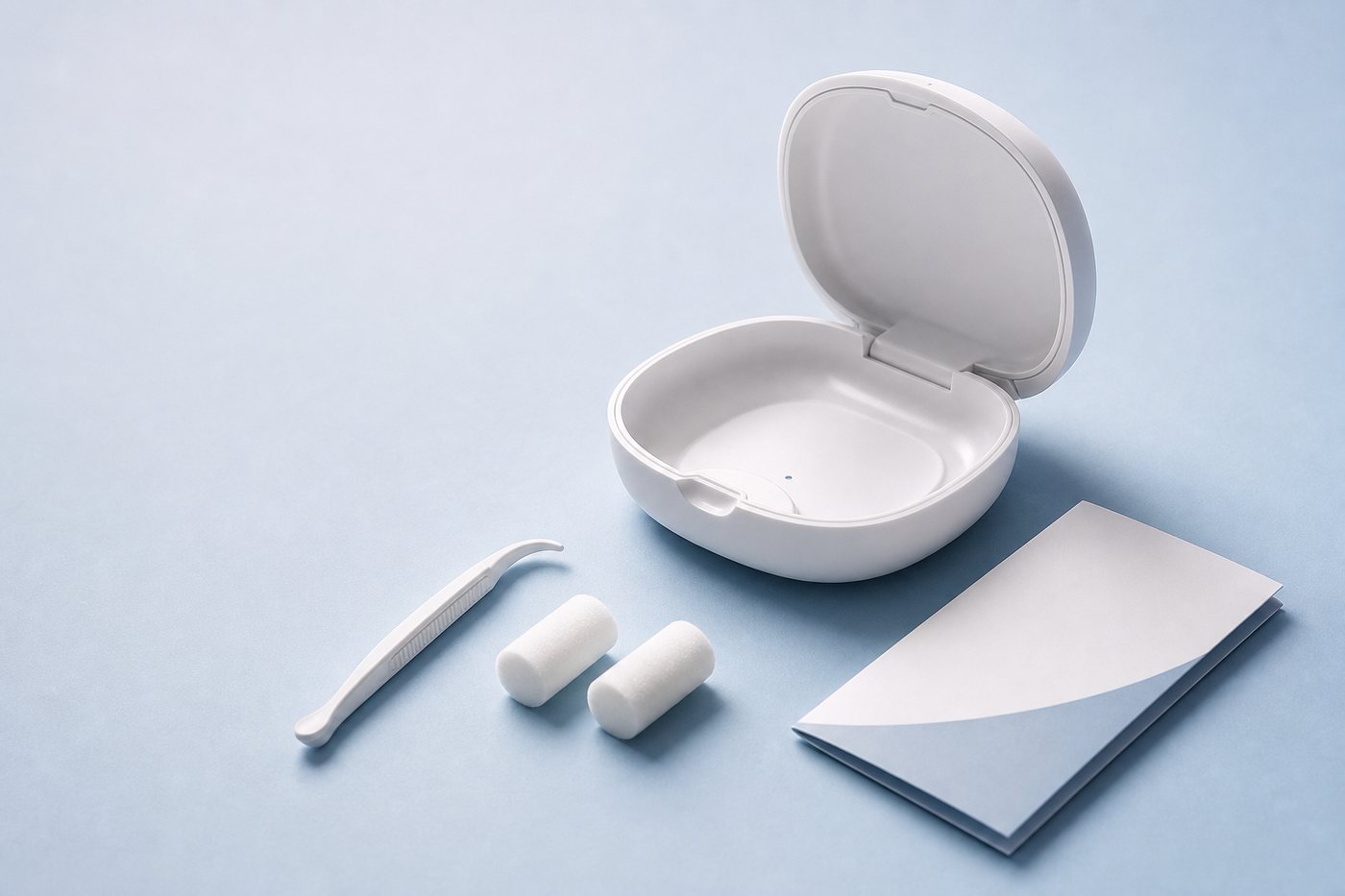
- In-practice marketing kits, brochures, banners, A3 posters and QR codes to training
- A clinical resources library, cheat sheets, IPR and attachment guides, teen tips and impression guides
- Regular webinars and workshops, continuous education
- Treatment-plan review support, we walk you through plans, answer questions and adjust
In short: Active Aligners combines a medical-grade tri-layer material, researched trimline principles, positive-pressure thermoforming, and movement protocols refined from real cases. Cases are planned by our team, then reviewed and approved by the treating dentist, and we support providers through the whole workflow.