
FOR PATIENTS
Understanding your bite
Your smile isn’t just about how your teeth look, it’s also about how your upper and lower teeth fit together when you bite. Dentists call this your occlusion. Understanding your bite can help you see whether Active Aligners are the right solution for you.
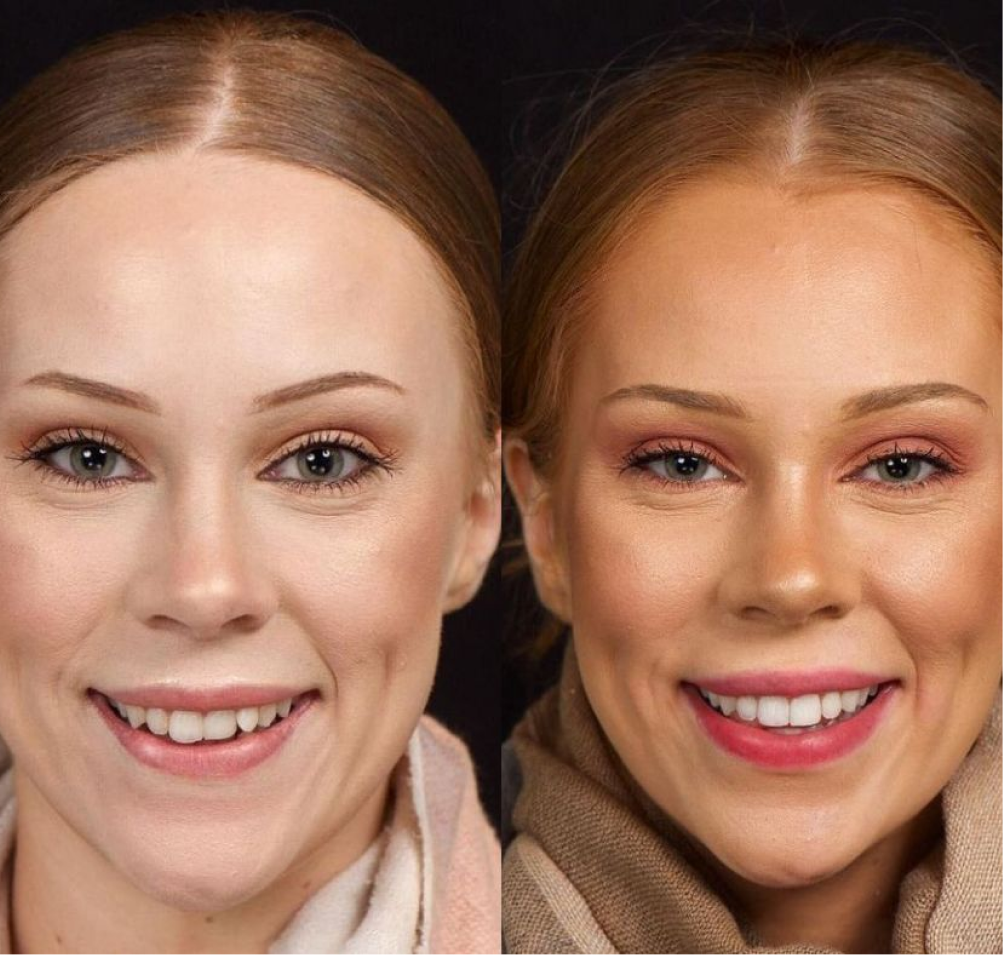
What is Occlusion?
Occlusion is just a fancy way of describing how your top and bottom teeth meet when your mouth is closed. Think of it like a zipper: when your teeth fit together perfectly, everything works smoothly.
Types of Bites (Occlusion)
Here’s a simple breakdown of the most common bite types:
| Type | What it means |
|---|---|
| Normal occlusion | Your teeth line up neatly and meet the way they should, with no notable crowding or gaps. |
| Class I malocclusion | The bite itself is mostly normal, but some teeth are crooked, crowded, or slightly gapped. |
| Class II (overbite) | Overbite: the upper front teeth sit too far forward over the lower front teeth. |
| Class III (underbite) | Underbite: the lower front teeth sit ahead of the upper front teeth when you close. |
| Crossbite | Crossbite: one or more upper teeth close inside the lower teeth instead of outside them. |
| Open bite | Open bite: the upper and lower front teeth do not touch when the back teeth are closed. |
| Deep bite | Deep bite: the upper front teeth overlap and cover too much of the lower front teeth. |
| Crowding | Crowding: there is not enough room in the jaw, so teeth overlap or twist to fit. |
| Spacing / gaps | Spacing: there is extra room between teeth, leaving visible gaps. |
Which Bites Can Active Aligners Treat?
Active Aligners treat a wide range of bite and alignment cases, from simple crowding and spacing to genuinely complex movements, bites, rotations and previous orthodontic relapse. The only real exceptions are the rare cases where an aligner physically can’t engage a tooth, like a high, partially-erupted canine or a deeply impacted tooth, and for those few your dentist may suggest a specialist.
Here’s a simple guide:
| Bite / Issue | Can Active Aligners Treat? | Notes |
|---|---|---|
| Normal Occlusion | Yes | Already ideal; sometimes used for minor aesthetic tweaks |
| Class I Malocclusion | Yes | Crooked, crowded, or gapped teeth |
| Class II (Overbite) | Yes | Overbites are routinely corrected; very large skeletal cases may be referred to a specialist |
| Class III (Underbite) | Yes | Underbites are treated regularly; very large skeletal cases may be referred to a specialist |
| Crossbite | Yes | Single-tooth and broader crossbites are corrected; very large skeletal cases may be referred to a specialist |
| Open Bite | Yes | Open bites are corrected effectively; very large skeletal cases may be referred to a specialist |
| Deep Bite | Yes | Deep bites are a strength of aligners; very large skeletal cases may be referred to a specialist |
| Crowding | Yes | One of the main strengths of aligners |
| Spacing / Gaps | Yes | Gaps can be closed effectively |
Quick tip for patients
“Active Aligners move teeth confidently across a wide range of bites, including complex ones. In the rare case where an aligner physically can’t reach a tooth, your dentist may point you to a specialist as the better path for that specific case.”
Takeaway
Understanding your bite is the first step toward a healthy, confident smile. Active Aligners are a flexible and effective way to straighten teeth, close gaps, and correct a wide range of bite issues, all without braces.
If you’re curious whether your bite can be treated with Active Aligners, book a consultation with your dentist today. They can assess your teeth and create a personalized treatment plan.
Ready to start?
Find an Active Aligners provider near you and book a consultation.